
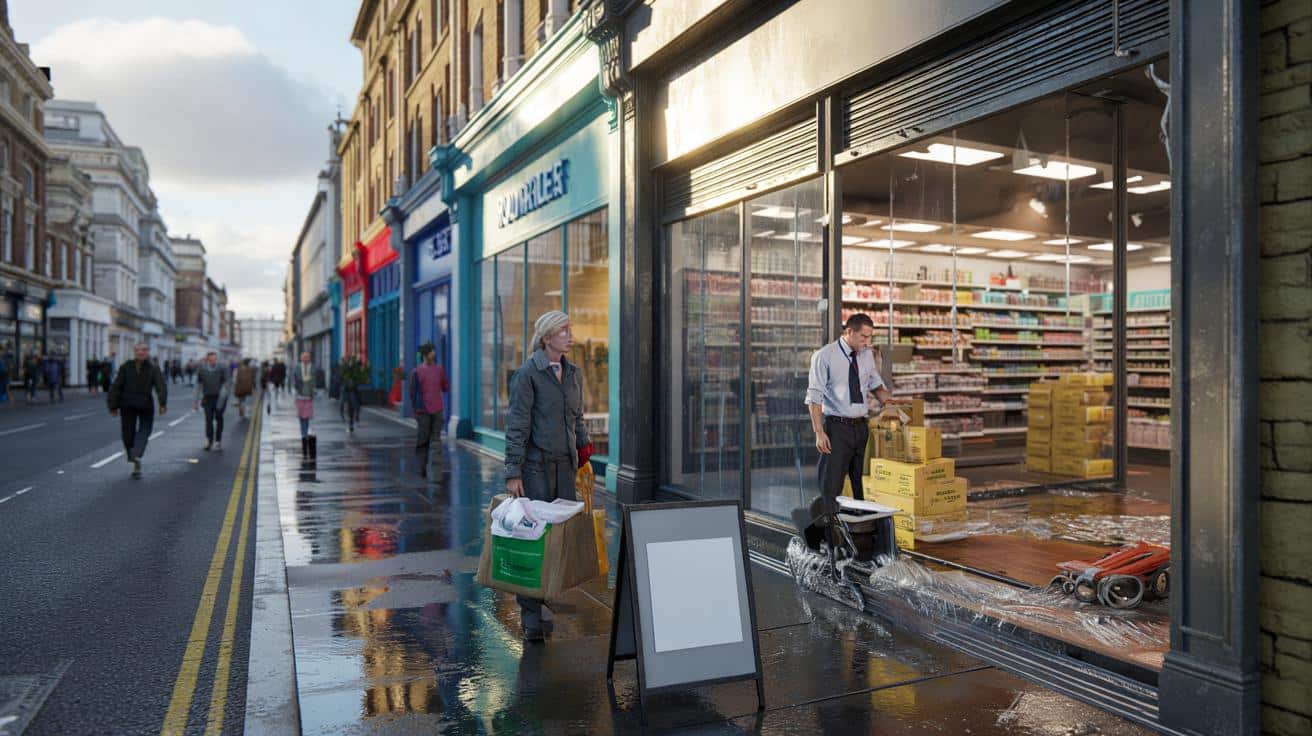
Shoppers are asking why a brand so woven into daily life is pulling back, and what it says about the streets we all share.
It was just after nine when the shop assistant slid the “Closing Soon” sign into the window. A couple outside paused, squinted at the notice, then pressed on with their morning. Inside, baskets clinked and the radios hummed, but there was that slightly hollow sound you get in a room that’s already half packed. A manager was coaxing a printer into life, the kind of low-stakes struggle that oddly makes a store feel alive. Twenty minutes later, a regular walked in with a returns bag and a face that said: please tell me this one’s staying. The answer was a soft no. Doors will lock in a few weeks. Odd thing, though. The next branch is only a 12-minute walk away. Which raises the real question.
What’s actually driving 50 more closures right now?
At the heart of it is a simple, unglamorous truth: this brand has too many shops for how people now shop. Years of expansion left clusters of overlapping stores, often within a short bus ride of each other. That used to be a strength. Today, it’s a drag on profit and attention. **Lease events** are doing the heavy lifting in the timing. When a rental break or expiry pops up, the calculator comes out. If there’s a larger, refitted site nearby that can absorb trade, the smaller box is the one that goes. It’s not romantic. It is rational.
Look at a typical city centre. You may have a legacy unit from the nineties on the corner, a newer mid-mall unit that opened after a refurb five years ago, and a compact branch by the station. Only one gets proper footfall all week. The slowest mover becomes a tidy cost save once the lease clock strikes. That’s why “this month” matters less than the spreadsheet of upcoming break clauses. Around fifty of those clauses are landing together, which feels brutal for customers, yet it’s really an estate plan hitting a calendar wall. We’ve all had that moment when the place you rely on disappears because the numbers say so.
Costs are stacking as well. Energy. Wages. Insurance. Business rates that don’t flex when sales do. The brand insists it’s investing in bigger, better flagships, and the online wing is taking more of the load. That’s true. Consumer habits shifted for good during lockdown and never really snapped back. Click-and-collect rose. Apps stuck. Footfall returned, but it came back lumpy and seasonal, not steady and daily. So the middle tier of stores—too small to be destinations, too big to be nimble—gets squeezed. The closures are the blunt end of a neat idea: fewer shops, stronger shops.
How the chain says customers and staff will be supported
The company’s playbook is clear. Move prescriptions, loyalty balances, and click-and-collect to a nearby store or the app. Recruit the best-performing colleagues into surrounding branches. Give every affected site a short-list of options and a date. The crucial piece is what they call a “catcher store”: the nearest, better-equipped shop that can absorb demand within a 15-minute travel window. You’ll see posters directing you there, plus QR codes for app migration. The brand learned in earlier waves that speed matters. If new habits form in the first week after a closure, they tend to stick.
It’s not perfect, and the company knows it. Accessibility is patchy in smaller towns where the next branch isn’t a quick stroll. Staff redeployment sounds clean on a press release. In real life, rotas and commute times complicate it. Local managers are doing a lot of quiet, decent work—shifting shifts, nudging training, keeping morale from fraying. Let’s be honest: nobody reads every consultation letter or keeps tabs on landlord clauses. People remember the smile behind the till and the fact they could nip in after school drop-off. When that’s gone, it feels bigger than retail strategy.
There’s a line I heard from a shop veteran that won’t leave me.
“We’re not just closing doors. We’re moving the centre of gravity.”
- What moves: Trade consolidates into larger, upgraded sites with wider ranges.
- What stays: The brand, the pricing, the loyalty scheme, the essentials you buy without thinking.
- What hurts: The convenience of a corner unit you passed twice a week.
- What helps: Clear signposting, same-day click-and-collect, and staff who follow customers across.
Beyond the closures: what this says about our High Streets
There’s a risk we over-dramatise store counts and miss the more interesting shift. The High Street isn’t dying. It’s rerouting. Big chains are trimming their sprawl and pouring money into fewer, showpiece locations with better lighting, bigger ranges, and proper services. Smaller independents are filling gaps, often with hybrids—coffee plus gifts, clinic plus beauty, repair plus resale. It’s messy. It’s also oddly hopeful. *Streets change because we change.*
So why 50 more this month? Because this is how an era ends—quietly, through boring lease paperwork and blunt arithmetic. The brand will talk about modernization and investment, and they’ll mean it. If you walk into one of their new-format stores, you’ll see the pitch in action: more staff at peak times, better self-serve where it makes sense, specialist services you travel for. The closures are the bill for that future. You don’t have to like it to understand it.
What can you do, as a customer who’s losing a branch? Two things travel well. Move your automatic habits early—prescriptions, orders, subscriptions—to the named catcher store or to the app. And tell the brand what the old branch did that the new one must keep. A good team, a quiet corner, a service counter that actually listens. Feedback has more weight when the estate is in flux. In a funny way, this is the moment when your voice is loudest.
| Key point | Detail | Interest for the reader |
|---|---|---|
| Lease events dictate timing | Break clauses and expiries bunch together, unlocking exits without big penalties | Explains why closures can surge in a single month |
| Fewer, stronger stores | Trade is consolidating into upgraded flagships and high-traffic locations | Signals where to find better ranges and services |
| Support routes exist | Prescriptions, loyalty, and orders migrate to a nearby “catcher store” or the app | Reduces hassle and helps you plan your switch |
FAQ :
- Which stores are closing?Around 50 locations across the UK, mostly where there’s overlap with a larger branch nearby. The company is releasing lists in waves as lease dates hit.
- When do the closures happen?Throughout this month, typically at the end of trading weeks to allow stock transfers and staff moves.
- What happens to prescriptions and regular orders?They migrate automatically to the named catcher store unless you choose a different location or switch to home delivery.
- Will staff lose their jobs?Most roles are being offered at neighbouring branches, though some hours may change. Redundancies can occur where distance or rotas can’t be matched.
- Is this the end for the brand?No. The chain is pruning its estate and investing in fewer, larger sites, plus online. The logo isn’t going away, the map is just getting tighter.







Feels less like strategy and more like spreadsheet triage. If the next branch is a 12‑minute walk, great—but in smaller towns that’s 40 minutes on a bus. Lease events might be “rational,” but customers experience them as lost routines. Curious whether the “catcher store” actually increases basket size or just shifts complaints. Also, are business rates the real anchor here, or is online cannibalising footfall more than they admit?