
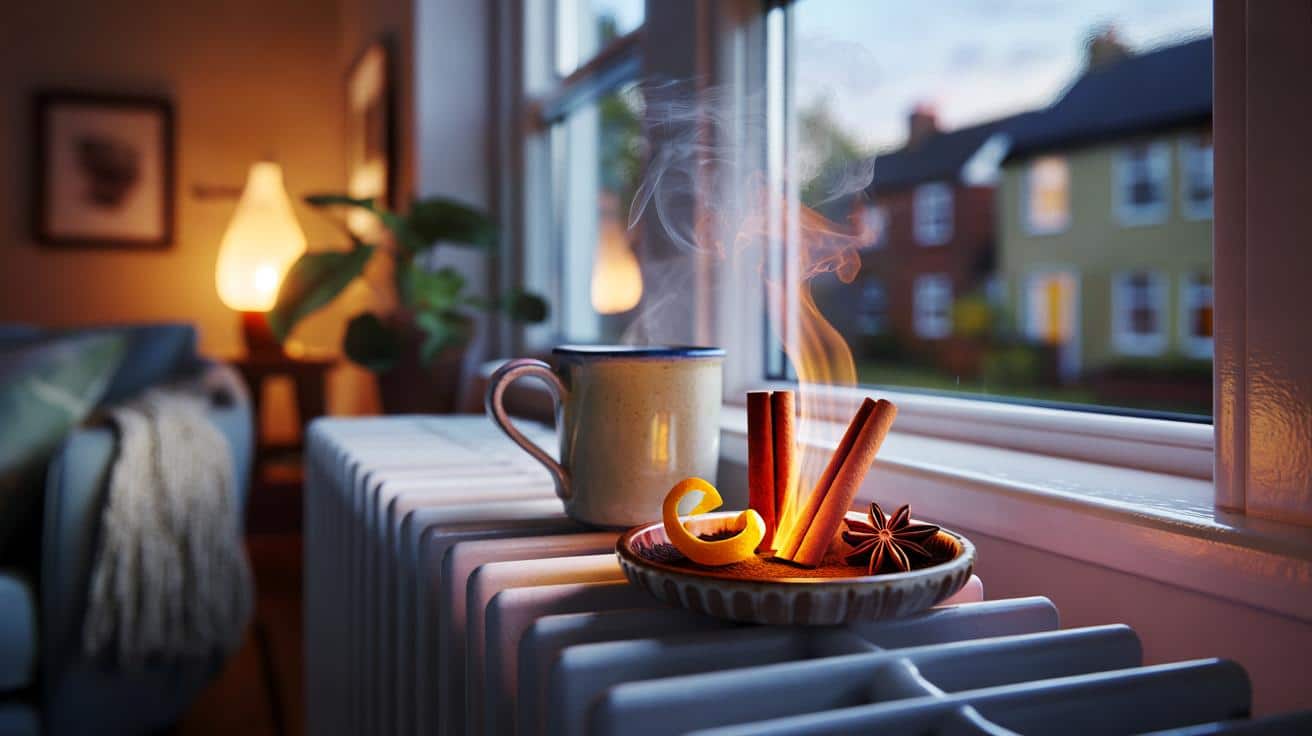
It’s thrifty, homely, a bit silly, and very British. Why are people doing it this week, and does it actually work?
I first noticed it on a bus ride home in the dusk, windows fogged, everyone clutching tote bags and ideas. A woman was describing the “cinnamon trick” to her friend, eyes bright like she’d found a secret door in her own flat. At home, I pressed my palm to the radiator and pictured a spice cupboard emptying into the evening.
We’ve all had that moment when a smell arrives and the whole day shifts. Cinnamon can do that, soft as a memory. Neighbours are trying it. TikTok is humming. The weather is the nudge, but the reason feels bigger.
Something else is going on.
The cosy hack filling British homes
The basic idea is disarmingly simple: let radiators do double duty. While they warm rooms, they can also coax scent from whole cinnamon sticks. Warmth releases natural oils, and the result is a gentle cloud of bakery-adjacent comfort, without a candle or a plug-in. It’s lazy in the best way—set it and forget it, then wander back into a room that smells like December markets and morning buns.
Scroll any feed this week and you’ll find quick clips of sticks lined along rungs, or tucked in a ramekin on the ledge. One renter told me she popped two sticks beside a towel radiator and came back after a shower to a bathroom that felt “like a hug.” No flame, no fuss, and it costs pennies. The timing isn’t random either. The first proper chill of the new year lands, windows stay shut, and Brits go hunting for small rituals that make rooms feel kinder.
So why cinnamon? It sits in the sweet spot between nostalgic and practical. Whole sticks are stable and slow to release fragrance, unlike powders that clump and scorch. Radiators produce a low, steady heat that behaves like a mild diffuser, warming the bark and carrying volatile compounds into the air. The scent is soft, not shouty, and drifts more when the heating cycles on. This is the week British radiators turn into makeshift diffusers.
How to do the cinnamon radiator trick, properly
The neatest method is to use a small, heat-safe dish placed on top of the radiator, not directly on grilles that get very hot. Drop in two or three whole cinnamon sticks. If your radiators have a flat shelf or a windowsill above, that’s perfect. For a moister, rounder aroma, add a splash of water to the dish or sit a mug of water nearby; as it warms, it lifts fragrance without “cooking” the spice. Replace the sticks every couple of weeks, or when they look pale and tired.
A handheld wipe of dust first matters more than you think, because warm dust can mute scent. Keep sticks away from electric elements or fan vents; aim for “near and warmed,” not “touching and trapped.” Want something festive? Pair two sticks with a strip of orange peel and one clove in the same dish. If you’re sensitive to scent, start with a single stick and increase by feel. Soyons honnêtes—Let’s be honest: nobody does this every single day.
Common mistakes are tiny and fixable. Don’t sprinkle cinnamon powder on a radiator; it cakes, smells burnt, and leaves a mess. Whole sticks beat powder every time. Skip essential oil drops on paintwork; oils can stain and aren’t pet-friendly in high concentration. If you’ve got little ones or curious cats, position the dish higher, or use a radiator cover with a top shelf. If you have pets or asthma, keep it gentle and distant.
“It’s the cheapest mood shift I know,” a London renter told me. “Two sticks and my flat stops feeling like a box.”
- Use whole sticks in a heat-safe dish, not directly on hot fins.
- Add a little water for a softer, less intense aroma.
- Try combos: cinnamon + orange peel; cinnamon + bay; cinnamon + star anise.
- Keep away from electric heater elements and vents.
- Swap sticks when the scent fades or the colour blanches.
What’s really happening—and what to watch for
There’s a touch of science beneath the sparkle. Warmth liberates aromatic compounds in cinnamon—cinnamaldehyde and friends—that float on air currents created by rising heat. Big rooms disperse them faster; smaller rooms concentrate them. Radiators also dry indoor air, so a nearby mug of water can soften that dryness while carrying scent. Done well, the effect is ambient, not overpowering. It smells like fresh buns without baking a thing.
It’s not all magic. If sticks sit too close to very hot metal, the edges can scorch and tip bitter. Keep a sliver of space and think “warm, not sizzle.” Electric heaters with exposed coils are a no-go—use a shelf or a nearby dish instead. Watch for allergies; spice aromas can tickle throats, and not all noses agree. If you’re ever unsure, reduce the number of sticks or try a simmer pot on the hob for stricter control.
Then there’s the paintwork question. Cinnamon itself won’t harm a radiator if it’s not rubbing or leaking oils on it, but oily residues from essential drops can leave marks over time. A dish solves that, and a coaster beneath the dish protects paint. The good news: this is low-energy. You’re borrowing heat that’s already there, not adding a new gadget to the socket. Small ritual, big mood, almost no extra cost.
A small trend with a big feeling
This week’s cinnamon sticks are only partly about scent. They’re about making winter nights feel less stern, and finding control in a season that doesn’t ask permission. A spice becomes a tool, and a radiator becomes a companion. It’s minimal effort that says, softly, “You live here.” That matters when the dark arrives before dinner and the news app feels heavy.
If you try it, you’ll probably end up fiddling—one stick, then two, then a bit of orange, then back to simple. You might share a clip, not because it’s revolutionary, but because it feels lovely to pass on something that costs almost nothing and brightens a room you already own. The trick isn’t new, but right now it lands exactly where people are: at home, seeking warmth that’s bigger than heat.
| Key point | Detail | Interest for the reader |
|---|---|---|
| Why cinnamon on radiators? | Warmth releases gentle, nostalgic fragrance from whole sticks. | A fuss-free way to lift a room’s mood without candles. |
| How to do it safely | Use a heat-safe dish, keep off hot fins and electric elements, add water if needed. | Practical steps that avoid mess, scorching, and pet worries. |
| Make it yours | Experiment with orange peel, clove, bay, star anise; adjust to room size. | Customisable scent without buying new products. |
FAQ :
- Does it actually fragrance a whole home?It scents the room it’s in best. Doors open, the aroma drifts, but large homes need multiple dishes.
- Will cinnamon sticks damage my radiator?No, if they’re in a dish and not rubbing or melting onto paint. Avoid oils on the metal to prevent marks.
- Is it safe with pets or kids?Use a stable, high spot and keep intensity low. Skip essential oil drops; whole sticks are the gentlest option.
- How long do sticks last?Expect one to three weeks of mild fragrance, depending on heat cycles. Replace when colour fades and scent drops.
- Can I use other spices or peels?Yes—orange peel, cloves, star anise, bay leaves work well. Start small to see what suits your space.






Tried the dish-on-radiator method with two sticks and a splash of water—my hallway smells like December markets. Love the no-flame, low-effort vibe. Thanks for the clear safety notes too 🙂