
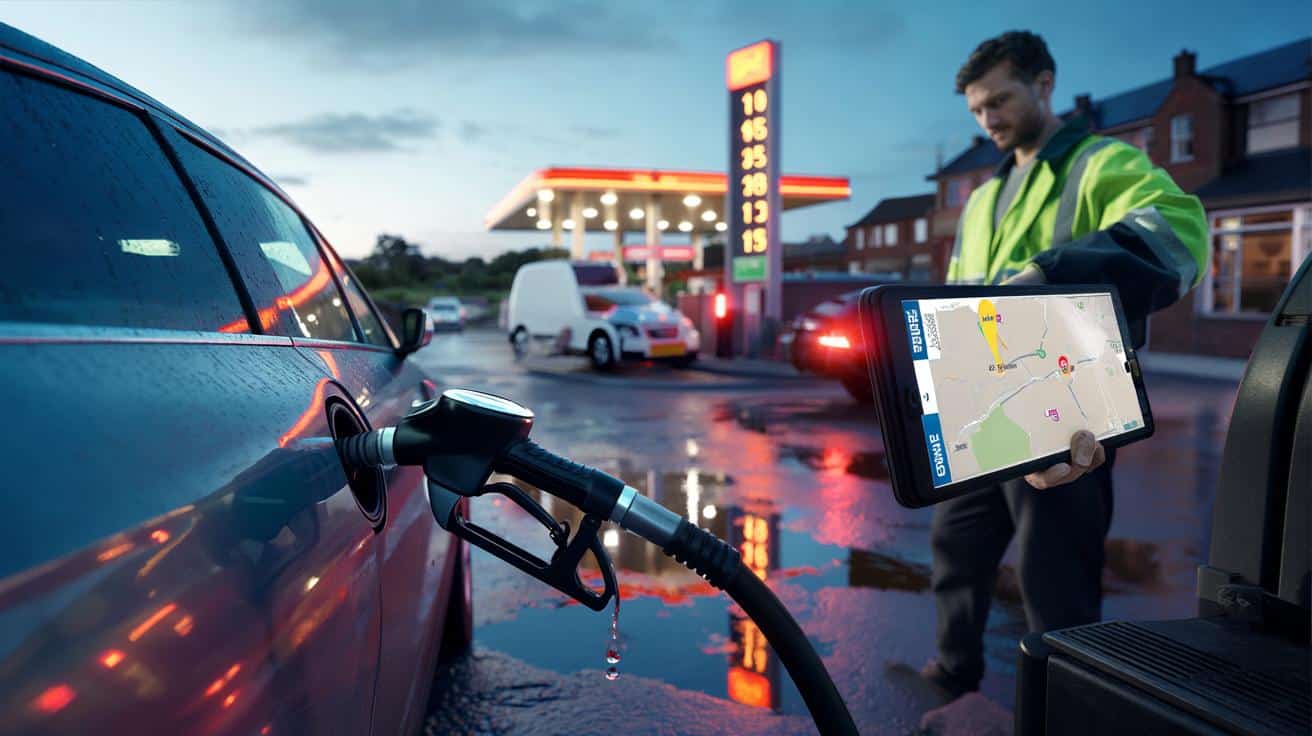
Wholesale costs are edging higher, supply routes look jumpy, and retailers are bracing for new price boards. The squeeze tends to arrive quickly. The savings, if you nab them before the jump, can be real.
The forecourt lights came on before sunrise, throwing a cold glow over a queue that shouldn’t exist on a weekday. A builder in a hi-vis checked his phone, sighed, and told me his group chat was buzzing with the same line: fill up now. *I typed the postcode into three apps and watched the pins blink.*
One car left after a twenty-quid splash-and-dash, another committed to a full tank, and a van driver grimaced at the pump as if the digits were personal. We’ve all had that moment when the price flips while you’re pulling the nozzle. **Prices move in waves, not drips.** The jump hasn’t arrived yet.
What’s pushing diesel upward right now?
Diesel lives in the choppy middle of the oil world, where heating demand, freight, and aviation all tug at the same barrel. When shipping routes snarl or refiners go down for maintenance, middle distillates tighten first. Add a touch of geopolitical noise or a softer pound against the dollar, and UK forecourts feel it fast.
Several importers have been paying more for recent cargoes, and traders report a run of firmer sessions in wholesale diesel contracts. That cost filters through the supply chain with a lag. A forecourt manager in Kent told me his price file from the supplier looked “itchy” all week, with a note warning of revisions after the weekend.
There’s also the seasonal switch at refineries, where blends and maintenance windows can nudge diesel margins around. Shipping insurance and detours add pennies before fuel even hits our shores. Retailers then juggle their own pressures: energy bills, card fees, and the gap between petrol and diesel that often sparks local price games.
Why a pre-rise top‑up can save more than it sounds
A 5p jump on a 55-litre fill is less than the cost of a sandwich, yet over a month for commuters or tradespeople it stacks up. Topping up midweek at a busy supermarket forecourt often beats weekend or motorway prices by a clear margin. If your gauge sits at half, consider turning that into nine-tenths.
Drivers with fuel cards know the drill: top up before new rates land. Regular motorists can copy the mindset without the admin. **Motorway convenience carries a premium.** A short detour to a town forecourt, plus a quick check on price apps, can shave a few quid in the space of ten minutes.
Don’t burn that saving by chasing across the city for a 1p difference. Let location do the work. Pick two or three honest-price stations on routes you already take, and favour them. Let’s be honest: nobody really does that every day. Do it this week and you’re already ahead.
How retailers actually move the pump price
Crude sets the mood, but diesel’s fate is decided further down the chain. Refiners price middle distillate output against regional benchmarks. Cargoes into Europe price against those same markers. UK wholesalers then add transport and blending costs plus their margin. Retailers set the last link, watching rivals within a few miles.
That cascade doesn’t drop in perfect sync. Many forecourts change tags once or twice a week, often after supplier emails land. A wholesale twitch can show up at the pump a day later, or it can sit for a few days while a site runs down dearer stock. This is why a “fill up now” window exists at all.
If retailers expect the next delivery to be pricier, they nudge the board early and protect margin. If they smell competition or slow footfall, they hold. The dance is local, but the tune is global. Your best move is simple: buy before the band speeds up.
Smart moves to dodge the worst of the rise
Start with timing and place. Fill midweek, not Sunday night. Target high-turnover supermarkets or big independents just off main roads. Use a trusted price app to spot outliers, then lock in a near-full tank while the board still reflects yesterday’s costs.
Skip premium diesel unless your handbook insists. Keep tyres at the right pressure and clear heavy junk from the boot. These tiny tweaks stretch a tank just enough to skip one extra fill at the higher rate. That quiet space between refills is where the real saving hides.
“We usually get the wholesale update after lunch,” said a forecourt manager near Leeds. “If it looks spiky, we move by teatime. If it’s calm, we sit.”
- Pick two consistently fair stations on your routes and stick with them.
- Avoid motorway services unless you’re on fumes.
- Fill to near-full before anticipated rises; half-tanks miss the benefit.
- Use loyalty points if you’re already in a scheme, not as a reason to pay more.
- Don’t stockpile in cans at home; UK rules and safety risks aren’t worth it.
The pitfalls to skip, and the wins to keep
Hoarding is the temptation people whisper about when prices rise. It’s also the fastest way to create risk in your garage. UK law limits domestic storage and demands proper containers. Insurance, fumes, and fire safety turn a “saving” into a headache. Leave stockpiles to the professionals.
Chasing pennies across town rarely pays. Traffic, time, and stress eat the gain. Instead, bank the reliable wins: the right day, the right forecourt, a nearly full tank before the price email hits. **Small, boring habits save the most money.** It isn’t glamour. It works.
On driving, smooth always beats speedy. Anticipate lights. Hold steady revs. Combine errands so the engine warms and stays there. A slightly calmer week behind the wheel is a hidden cushion against any jump at the pump. Your future self will thank you at the next set of glowing digits.
What this moment really tells us
Price spikes come and go, but the pattern repeats: the market twitches, retailers blink, drivers react. The best antidote isn’t panic, it’s rhythm. Fill earlier in the week. Keep to your trusted stations. Let competition and your own routine do the heavy lifting.
Diesel and petrol take turns outpacing each other as seasons and supply lines shift. The little gap you grab today won’t feel dramatic. It will feel like calm. Share a tip with a mate who’s always on fumes. Swap a motorway stop for a town station once this month. See how it lands.
The forecourt lights will switch off again tonight, and back on tomorrow before the birds begin. The numbers may be a tick higher by then. Or they might not move until the weekend. That’s the truth of it: the jump is a risk, not a prophecy. You control more of the outcome than you think.
| Key point | Detail | Interest for the reader |
|---|---|---|
| Wholesale pressure | Tighter middle-distillate supply, shipping costs, currency swings | Explains why “fill up now” isn’t just scare talk |
| Timing advantage | Many forecourts reprice midweek after supplier emails | Gives a clear window to grab a lower price |
| Everyday wins | Choose fair stations, avoid motorways, drive smoother | Practical steps that add up without extra hassle |
FAQ :
- Is there an actual shortage of diesel?No. Supply is available, but costs along the route from refinery to pump are rising. That’s what lifts prices even when tanks are full.
- How much could the rise be?It varies by region and retailer. A few pence per litre is common in a short burst, with sharper moves possible if wholesale costs jump again.
- When do pump prices usually change?Many sites adjust once or twice a week, often after midday supplier updates. Local competition can speed or slow that rhythm.
- Is supermarket diesel okay for my car?Yes for most vehicles. Follow your handbook. Premium blends help specific engines and conditions, but many drivers won’t see a payback.
- Should I store extra fuel at home?Not recommended. UK rules limit storage and require approved containers. Safety and insurance risks outweigh any short-term saving.







Is this just another round of pump panic? Wholesale blips hapen all the time; last time I “filled up now” the price dipped two days later. What odds do you put on an actual 5–8p jump this week?