
Hidden inside the small print, though, is a legal rule that can shrink that bill dramatically — and even trigger chunky refunds. The strange part? Most people eligible have never been told.
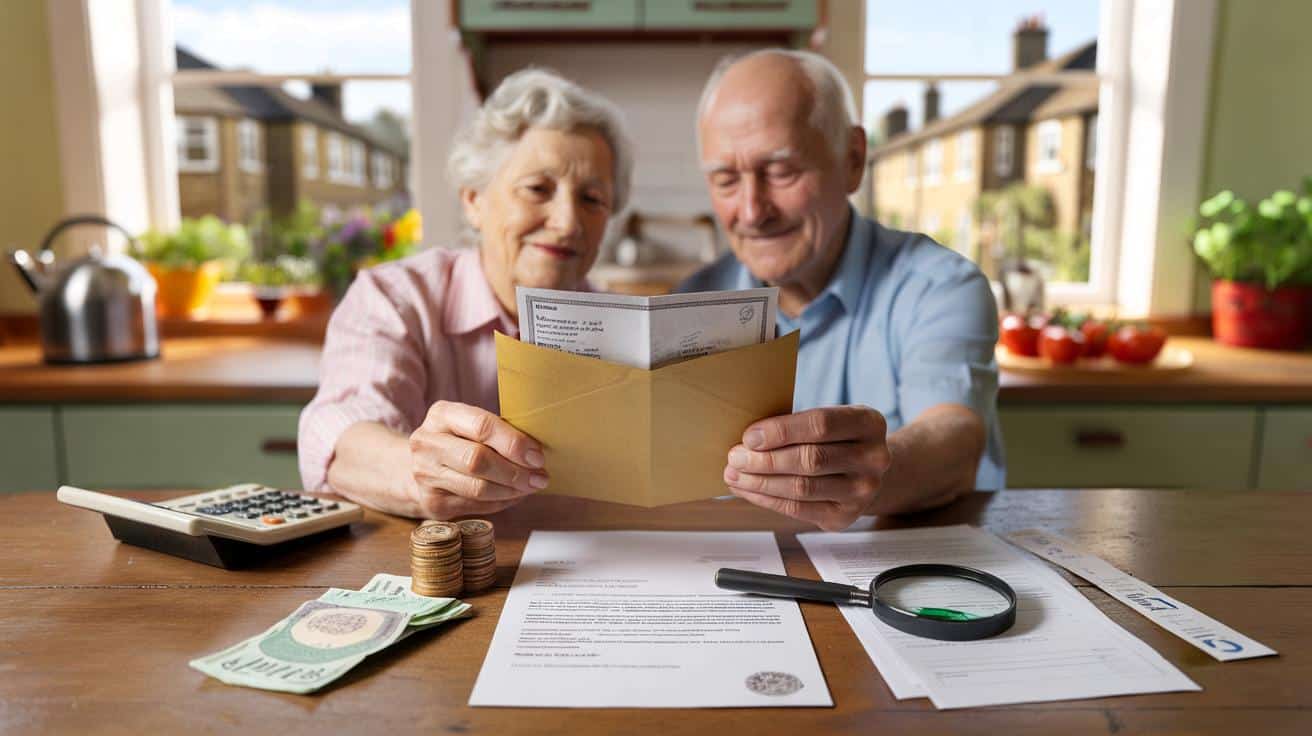
The kettle rattled on a Tuesday in late spring, the kind of afternoon when the post arrives just as the tea steeps. Margaret, 79, slid her council tax bill from the sleeve and frowned at the number. Her husband, Derek, padded in with a half-remembered joke he’d told three times that week. Across the road, their neighbour mentioned a “loophole” she’d read about, something to do with how Derek’s diagnosis changes the maths. Margaret made a call she’d been putting off. Two forms and a GP signature later, the figures shifted in black and white. The refund hit before the tomatoes ripened. One quiet rule, hiding in plain sight.
The little-known rule hiding in plain sight
At the heart of this is the **Severe Mental Impairment disregard** — a long-standing rule, not a trick. If an adult is medically certified as severely mentally impaired and receives certain qualifying benefits, they can be “ignored” for council tax purposes. That word sounds harsh, yet it means the household can be treated as if that person isn’t there when the bill is calculated. For a couple where one partner has dementia, that often unlocks the 25% single-person discount. In some setups, it reduces the bill to zero.
Think about a Band D bill in England, often around £2,000–£2,200 a year. A 25% discount is £500 or more. Add backdating — many councils will apply the change to the date someone first met the rules — and the numbers climb fast. I spoke with readers who saw refunds of £1,800, £3,240, even higher when two or three years were corrected at once. One man in North Wales got a full exemption because every other adult in his home was either a student or counted as severely mentally impaired. The envelope that once stung suddenly paid out.
It works like this. The law lists people who don’t count for council tax — students, live-in carers, certain apprentices, and those classed as severely mentally impaired. If all but one adult are disregarded, the 25% single-person discount applies. If everyone is disregarded, the charge can fall to zero. It’s not gaming the system; it’s how the system is built. Pair that with **Council Tax Reduction** for pensioners on Pension Credit Guarantee Credit and you can wipe away the rest. In the right circumstances, the bill falls by hundreds — sometimes thousands after backdating.
How to claim it — step by step
Start simple. Check whether the person meets the “severely mentally impaired” criteria and gets a qualifying benefit such as Attendance Allowance, the daily living component of PIP, or similar. Ask your GP or consultant for the medical certificate the council will request. Then contact your council tax team and say you’re applying for an SMI disregard and, where relevant, the single-person discount. Include proof of the benefit, the certificate, and the date it first applied. Ask explicitly for backdating to that start date. If you receive Pension Credit Guarantee Credit, apply for Council Tax Reduction at the same time.
People get tripped up by the details. A dementia diagnosis alone isn’t enough; the benefit element matters. Many families forget to backdate, which can erase years of rightful savings. Others assume a second adult in the home blocks discounts, when that adult might be a live-in carer or a full-time student who also doesn’t “count”. There’s embarrassment too — money talk is awkward at the best of times. Let’s be honest: nobody really does that every day. A calm call, two documents, and a short form does the heavy lifting.
There is a quiet chorus of professionals urging people to claim.
“This isn’t a loophole in the sneaky sense — it’s a protection built for households under pressure,” says a frontline adviser I spoke to. “When the right disregard is applied, the bill reflects reality.”
Use this quick crib sheet while you gather the paperwork:
- Qualifying benefit in place? Attendance Allowance or PIP daily living is common for pensioners.
- GP certificate ready? Ask for the SMI council tax form; most surgeries know the drill.
- Ask for backdating to the earliest eligible date — write that line clearly.
- Request the single-person discount if the SMI adult is the only other adult.
- If you’re on Pension Credit Guarantee Credit, apply for Council Tax Reduction too.
Another route to big savings: your band and your benefits
One more angle can multiply the gain. Check your Council Tax band with the VOA (England and Wales) or the Scottish Assessors Association. If your home seems over-banded compared with similar nearby properties, you can **challenge your band**. Success means a lower bill going forward and sometimes refunds back to when you moved in. There’s a small risk of bands moving up rather than down, so be sure of your comparisons before you press submit. Add to that the “second adult rebate” many pensioners can still access if they live with other low-income adults who aren’t their partner, and the picture sharpens. A 25% discount here, a band correction there, CTR on top — the stack can be powerful. We’ve all had that moment when the brown envelope lands and your stomach tightens. It doesn’t have to end that way.
A final tip: keep a simple folder for every council letter, benefit award, and GP note — future-you will be grateful.
| Key point | Detail | Interest for the reader |
|---|---|---|
| Severe Mental Impairment disregard | Medically certified impairment plus a qualifying benefit lets councils “disregard” the person for council tax | Unlocks 25% single-person discount or even a full exemption, with potential backdated refunds |
| Council Tax Reduction for pensioners | Pensioners on Guarantee Credit can get significant reductions via their council’s CTR scheme | Stacks with other discounts to cut bills by hundreds or more |
| Band challenge and second adult rebate | Compare bands with neighbours; some pensioners can claim up to 25% for other low-income adults in the home | Extra savings, sometimes “found money” after a successful challenge |
FAQ :
- Who counts as “severely mentally impaired” for council tax?A doctor must certify a permanent condition affecting intelligence and social functioning, and the person must be entitled to a qualifying benefit like Attendance Allowance or PIP daily living.
- How far back can I claim a refund?Many councils backdate to the date both conditions were first met — medical certification and benefit entitlement — which can span years. Policies vary, so mention the earliest date clearly on your form.
- Could both of us qualify and wipe the bill entirely?If every adult in the property is disregarded (for example, a mix of SMI and full-time students), the charge can fall to zero. Where one adult is not disregarded, a 25% discount usually applies.
- Will claiming affect my other benefits or taxes?No — these are council tax rules, not income assessments for other benefits. CTR is means-tested, but claiming a disregard or discount doesn’t reduce your Attendance Allowance or State Pension.
- Does this work the same in Scotland and Wales?The principles are similar, though the administration differs. Use the Scottish Assessors Association for bands in Scotland and check your local council pages in Wales for CTR rules and SMI forms.







Calling it a “loophole” feels misleading — it’s written into the rules. Why not just call it an entitlement most people aren’t told about?
Does the SMI disregard apply if PIP daily living started mid‑year? Will councils pro‑rate the bill or backdate to the benefit award date?