
Spot it too late, and you might have handed HMRC thousands you didn’t need to.
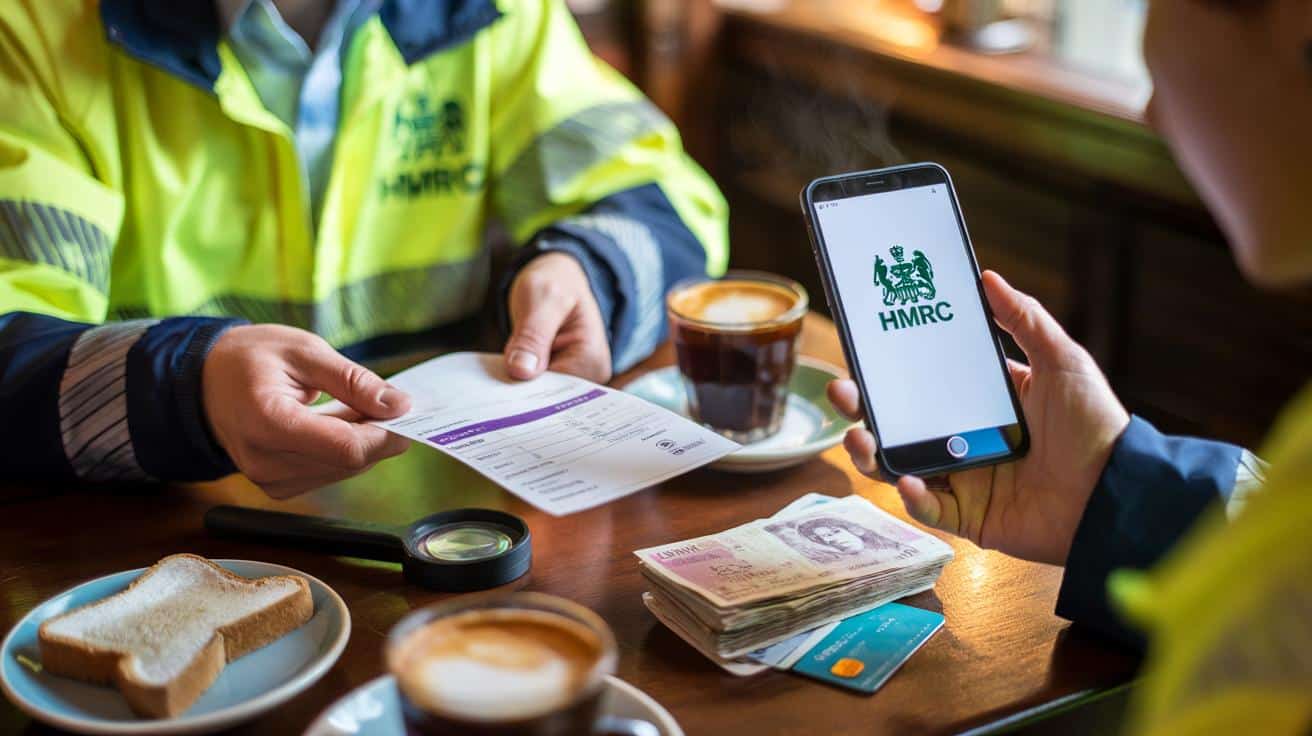
It happened on a grey Tuesday over cold toast. A man in a hi-vis jacket slid his payslip across the café table and said, “Tell me if I’m going mad.” The code next to his name wasn’t the familiar 1257L. Two letters. BR. His eyebrows said the rest. He’d switched jobs mid-year and never sent his new employer the right paperwork. The payroll system shrugged and taxed him like every pound was taxable from the first penny. No personal allowance, no mercy, just basic rate from zero. His mate pulled out the HMRC app. Five minutes later, their coffees went cold. One small change could send a tidy lump back into his account. You might be due thousands.
The sneaky code on your payslip: why it matters
You’ll know the standard UK tax code: 1257L. It’s the one that gives most workers a £12,570 personal allowance for the year. A different code changes how much tax gets taken before you even see your pay. The **BR tax code** means you’re taxed at 20% on all your earnings, with no personal allowance applied. It often appears when you start a new job and your employer hasn’t had a P45, or when you pick up a second job and your allowance hasn’t been allocated properly.
We’ve all had that moment when a payslip makes no sense. Picture Maya in Leeds. New role, new starter form, no P45 in sight. Her first two payslips showed BR, and about £230 was whisked away each month more than she expected. By the time she noticed, the damage felt done. Then payroll fixed her code, HMRC ran the numbers, and a **P800 refund** letter landed: just over £2,300. She didn’t cheer. She just exhaled, long and low, and paid off her credit card.
Here’s the simple maths. Your personal allowance is £12,570. If you’re on BR by mistake and pay 20% on that slice, you lose up to £2,514 over a full tax year. That’s where the “£2,500” figure comes from. The same story can unfold with 0T (no allowance applied) or with a **Week 1/Month 1** flag, which stops your code working cumulatively. Not everyone will hit the full amount. Switch mid-year, and it’s a proportion. Earn less than the allowance, and the overpayment is smaller. But the path to a chunky refund is real.
How to check and claim in under 20 minutes
Start with your latest payslip. Find the “Tax code” line and read it out loud. If it’s 1257L, good. If it shows BR, 0T, D0, D1, any K code, or an extra W1/M1 tag, pause. Open the HMRC app or log in to your Personal Tax Account on GOV.UK. Tap “Check your Income Tax” and compare what HMRC thinks about your jobs and allowances with what’s on your payslip. If your main job is on BR or 0T, that’s a red flag. Update your employment details, allocate your personal allowance to your main job, and submit.
Next, talk to payroll. Ask them which tax code they’re using and whether they’ve had your P45. If they haven’t, give it to them or complete the starter checklist so HMRC gets the right signal. If HMRC needs to change your code, they’ll send a coding notice and your employer will apply it from the next payroll. Refunds for overpaid tax can arrive via your wages or as a direct payment from HMRC. Let’s be honest: nobody checks their tax code every month. So set a reminder for the first payslip at a new job, and again each April.
On the common pitfalls, one stands out: people assume a second job must always be BR. It doesn’t. You can split your allowance, or put it all on your main job and leave the side-gig on BR by choice. Another is forgetting the W1/M1 tag after an emergency month. It’s meant to be temporary. If it lingers, your cumulative allowance stalls and you bleed cash slowly. Two small letters can carve a big hole in your pay.
“If you see BR or 0T on your main job and you’ve not agreed to it, act. A quick update can turn a leaky payslip into a surprise payday.”
- Have ready: National Insurance number, P45 or P60, recent payslips, your employer’s PAYE reference, and bank details.
- Use the HMRC app’s “Check your Income Tax” to correct your details in minutes.
- If it looks tangled, phone HMRC on 0300 200 3300. Be patient, but persistent.
Why this matters this year
Wages haven’t exactly raced ahead. Bills have. A tax code that quietly over-collects is the last thing anyone needs in a cost-of-living squeeze. What makes this story hopeful is its fixability. You don’t need a degree in spreadsheets to check a four-character code and ask a straight question. If you’ve overpaid, HMRC can issue a repayment by bank transfer or cheque. And if this didn’t start yesterday, you can usually claim back up to four tax years for overpayments. That’s where small errors turn into decent sums. The funny thing about money found is that it feels different. It doesn’t buy miracles, but it can buy a train ticket to see your mum, fix a car, or give your overdraft a weekend off. That’s not nothing.
| Key point | Detail | Interest for the reader |
|---|---|---|
| BR and 0T codes | Taxed from the first pound with no personal allowance applied | Could mean up to ~£2,500 back if used in error all year |
| W1/M1 flag | Stops cumulative tax calculation; emergency setting meant to be temporary | Fixing it can raise take-home pay and trigger a refund |
| How to claim | Check HMRC app, update job details, speak to payroll, keep P45/P60 handy | Most fixes take minutes; refunds often paid within days or via payroll |
FAQ :
- What is the BR tax code?BR means Basic Rate. Your pay is taxed at 20% from the first pound, with no personal allowance applied.
- How could this lead to a £2,500 refund?If BR or 0T was used in error for a full year, you may have paid 20% on the £12,570 allowance — roughly £2,514 too much.
- How do I check my tax code?Look on your payslip and in the HMRC app under “Check your Income Tax”. Your main job should usually carry your personal allowance (e.g., 1257L).
- Can I claim for past years?Yes. You can normally reclaim overpaid Income Tax for up to four previous tax years.
- Will HMRC pay me automatically?Sometimes. If HMRC’s year-end review spots an overpayment, they issue a **P800 refund**. If not, update your details and request a repayment.







Is BR on a main job ever correct, or is that always a mistake?
This reads a bit like scaremongering—doesn’t BR get corrected automaticaly once payroll sends the starter checklist? I’ve been on BR 3 months and nada.