

You want energy, not another promise from a podcast or a powdered drink. The claim that a 30‑second morning habit can nudge your metabolism for the next 24 hours sounds almost too good — until you try it the right way.
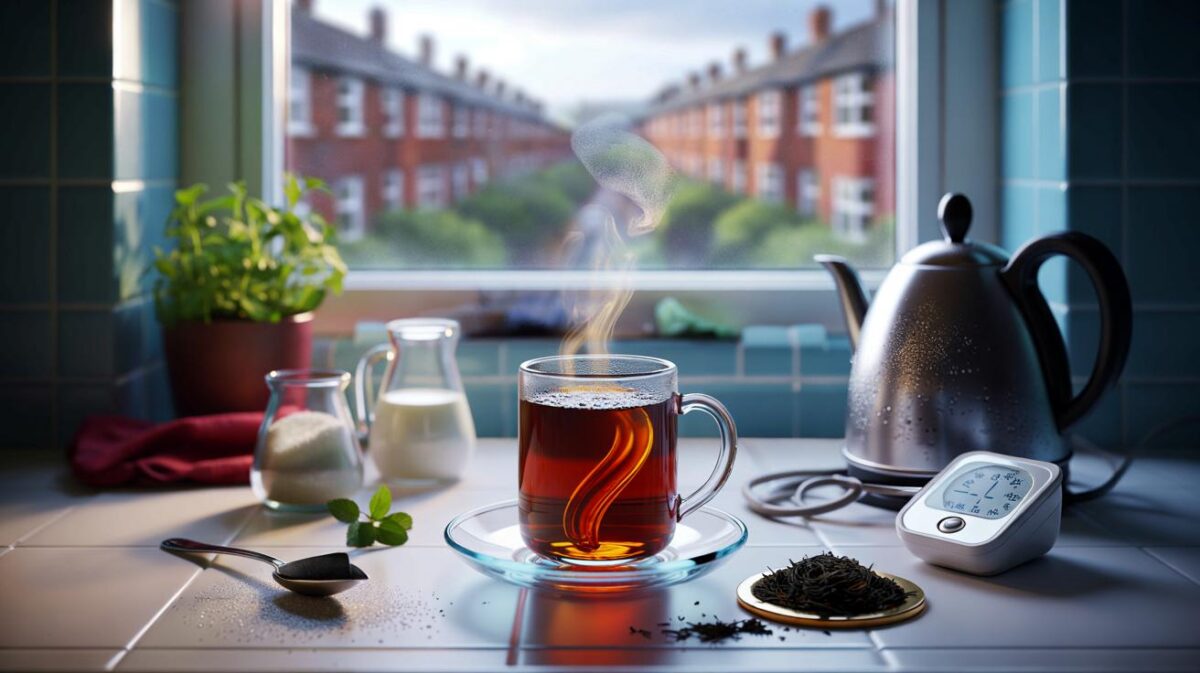
The kettle clicks off at 7:02. The street outside is yawning awake: a bus wheezes, someone walks a dog in a puffer coat, the sky is a cold blue-grey. I step into the hallway in my socks, set a timer, and sprint the stairs like I’m late for a train. Thirty seconds of legs pumping, lungs open, eyes sharp. The toast pops as my heart thumps in my ears, and I’m laughing at myself for making the hallway a track. *Something has switched on.*
Ten minutes later, my coffee tastes brighter and the day feels different. Not bigger. Just lifted. A little secret button, pressed. Intriguing, isn’t it.
The 30‑second habit, unpacked
This isn’t a magic hack; it’s physiology with a human face. A **30-second all‑out burst** — think bike sprint, stairs, or squat jumps — creates a small, deliberate demand on your system. You burn hard, briefly, then the body spends hours clearing the “debt”, restoring balance, and rebuilding tiny fibres. That payback window is where the metabolism glow lives. Scientists call it the **afterburn effect**. You’ll call it “I feel awake again”.
Here’s a picture from real life. Maya, 39, cycles to school where she teaches music. She started one hallway micro-sprint after brushing her teeth — just 30 seconds, Monday to Friday. Three weeks in, she noticed she wasn’t hunting biscuits at 11am. Her smartwatch showed a modest bump in daily energy expenditure and her resting heart rate eased a notch. No miracle. Just a ripple that ran through the day, predictably enough to trust.
What’s going on under the bonnet is simple and clever. A short, fierce push triggers adrenaline and noradrenaline, telling muscles to empty their stores fast. Oxygen use spikes, then stays somewhat elevated while your system restocks fuel and balances temperature. Mitochondria — those tiny power stations — get the memo to grow stronger. The “effort hangover” is helpful here: more oxygen churn, slightly higher calorie use, sharper insulin sensitivity. A tiny fire, burning on low, long after you’ve hung up your trainers.
Your 30‑second playbook
Pick a move you can hit hard without faff. If you’ve got a bike, do a 10‑second ramp-up, then 30 seconds full tilt. No bike? Sprint a staircase, do high‑knee sprints on the spot, or fast kettlebell swings with a weight you control cleanly. Aim for a 9 out of 10 effort — fierce, not sloppy — then stop. Breathe through your nose, walk it off for a minute, and sip water. That’s the habit in under two minutes, with the punch inside those 30 seconds.
A couple of kind guardrails help. Warm your joints for a minute: shoulder circles, ankle rolls, 20 easy squats. Keep your space safe and dry. Don’t hold your breath in the last 10 seconds; let the air move you. If you’re new to intensity, start at 20 seconds for a week and build. Let’s be honest: nobody does this every day. Most people win by anchoring it to teeth brushing or coffee, three to five mornings a week. Miss a day, shrug, go again.
We’ve all had that moment when motivation slips between your fingers like a bar of soap. A coach once told me:
“Go as hard as you can sustain with good posture for 20–30 seconds, then stop while you still feel strong. The confidence you keep is part of the training.”
Try this simple frame before you start:
- Warm-up: 60–90 seconds of easy mobility and marching.
- Choose your move: bike, stairs, on-the-spot sprint, or swings.
- Hit it: 30 seconds at 9/10 effort, eyes up, breath steady.
- Come down: 60–90 seconds walk and deep breathing.
- Optional: add a second round if you feel great, but the core habit is one crisp burst.
Why a tiny burst changes a whole day
The magic isn’t just metabolic maths; it’s mood and momentum. When you do one brave thing early, the rest of the day sits differently. Your appetite cues line up, your head clears, and those low‑level fidgets become fuel. This small ritual also respects the morning: no gym bag, no commute, no faffing with apps. A **morning micro‑sprint** gives you the glow without stealing your time, which is why it tends to stick.
And yes, it’s imperfect. You’ll have days where you feel flat or the stairs creak or the dog thinks it’s a game. That’s fine. Tweak the move, drop the effort to an honest 8/10, or switch to a brisk 90‑second walk finishing with 10 seconds fast. Your body counts consistency more than drama. The real story here isn’t 30 seconds; it’s what those 30 seconds unlock: a self you can actually meet, in the life you already have.
| Key point | Detail | Interest for the reader |
|---|---|---|
| One hard burst, big ripple | 20–30 seconds near‑max effort after a brief warm-up | Time‑efficient way to spark a day‑long metabolic nudge |
| Choose a safe, simple move | Bike sprint, staircase run, on‑the‑spot sprint, or kettlebell swings | Works at home, in a hotel, or a quiet office stairwell |
| Recover smart | Walk and breathe for 60–90 seconds; hydrate; carry on with your morning | Better focus, steadier appetite, fewer mid‑morning energy dips |
FAQ :
- Does 30 seconds really boost metabolism for 24 hours?Short, intense work creates an afterburn where oxygen use and energy turnover stay elevated for hours. In some studies with very hard efforts, that nudge can last into the next day. Your mileage varies with intensity, fitness, and sleep.
- Is this safe if I’m new to exercise or over 50?Scale the intensity. Start with 20 seconds at a strong-but-clean pace, choose low-impact moves, and focus on posture and breathing. If you have medical concerns, speak with a professional first.
- Fasted or with coffee — what’s best?Both can work. Many people enjoy a small glass of water and coffee first. Others prefer fasted for simplicity. The key is feeling steady, not jittery.
- What if sprinting hurts my knees?Swap to a stationary bike, fast marching with big arm swings, or kettlebell swings with a light bell. You want power without pounding.
- How often should I do the 30‑second habit?Three to five mornings a week suits most people. Leave a rest day when your legs feel heavy. You’re building a spark, not a saga.






Did 30s of high-knees after brushing my teeth and my coffee did taste brighter, wierdly. Not magic, but I felt switched on for meetings till lunch. Thanks for the clear guardrails—warming up and nasal breathing helped. Going to anchor it to the kettle click 🙂