
In 2026, one British town has crept into the spotlight with an easy, almost accidental confidence. It’s the place friends text you about on Sunday nights, the one estate agents whisper when they drop their voices: Stroud.
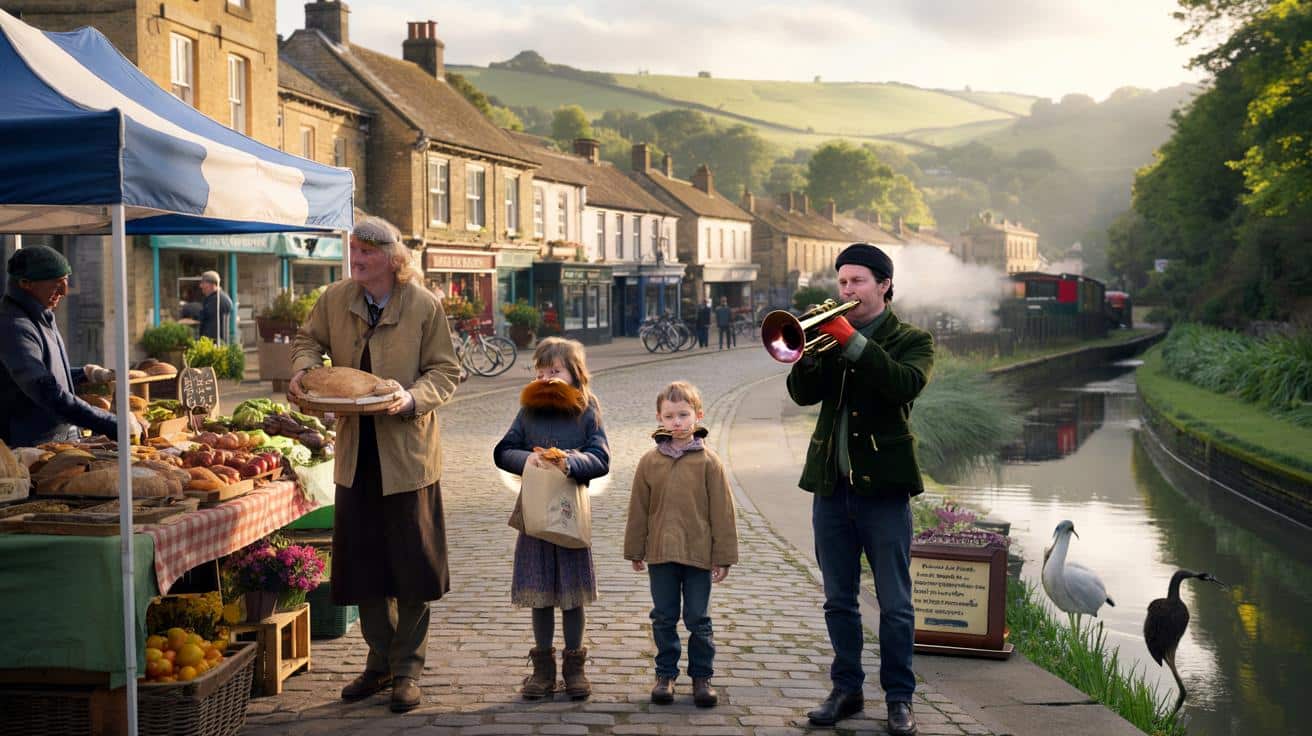
I first arrived on a cracked Saturday morning, the kind where the light is soft and forgiving and the steps feel slower. The farmers’ market was already humming: brass band by the cheese stall, two kids with hot chocolate moustaches, a retiree balancing a paper bag of apples like treasure. A poster taped to a lamppost read, half-proud and half-surprised: “Voted the **best place to live** in 2026?” A woman in a wax jacket glanced at it, laughed, and said to no one in particular: “About time.” The air smelled like coffee and wet stone. It felt like a test you secretly want to pass. A curious tug.
Why Stroud keeps winning the 2026 mood
Stroud makes a first impression with hills that fold around you like elbows on a table. The town sits in the Five Valleys, which sounds like marketing until you walk it and realise it’s geography with personality. Indie bookshop, record store, repair café, then a sudden slope to a canal path where herons arrive late. People nod in the street. Not everyone, not all the time, but enough that it lands. *Some places just feel like they’re looking after you.*
Take the market, the town’s beating drum. A baker hands over a sourdough and asks what you’re cooking; a teenager tests a trumpet and raises two eyebrows at the unexpected note. Jodie and Amir moved from a Zone 3 flat with windows that rattled in storms. Here, they rent a terrace with a view of roofs like scales. “We cycle, we walk, we know our neighbours,” Jodie shrugs, as if it’s not a small miracle. On most streets, a footpath into green is ten minutes away. The train to Paddington exists when you need it; on the days you don’t, a bus to Nailsworth feels just right.
The logic is simple and modern at once. Stroud delivers that sweet triangle of space, connection, and spark. Remote work has stretched the commuter elastic, giving towns like this room to breathe while keeping **rail links** relevant. The council’s green streak and the citizen-led projects — from repair workshops to community energy — lend it a weathered credibility. There’s a cost to buzz, of course. Rising prices rattle long-term renters, and a terrace that was once a teacher’s salary now demands two spreadsheets and a deep breath. The balance isn’t perfect. It rarely is.
Thinking of moving? Do Stroud the smart way
Start with a slow reconnaissance. Visit midweek and again on a messy Saturday. Walk from the station up to the Slad Road and notice which hill makes your calves complain. Try the train at commuter o’clock, then the late one back. Talk to a barista about winter, not just spring. Scan the community noticeboards. A place reveals itself in the chores, not the highlights.
Scope the slopes and the light. Steeper streets are charming in August and a workout in February. Parking is a game in some terraces; storage for bikes matters more than you think. Trains run well until they don’t. We’ve all had that moment when a timetable becomes an idea rather than a promise. That’s fine if your job flexes, trickier if it doesn’t. Let’s be honest: nobody actually does that every day.
Buyers and renters trip on the same few stones. Falling for a view and forgetting the boiler. Overpaying for “Cotswold” in the listing and missing the damp in the corner. One local agent put it plainly:
“Stroud rewards the curious. The best streets aren’t always the obvious ones, and the happiest homes are the ones that fit your life, not your Instagram.”
- house prices: still under London, rising faster on the flattest, walk-to-station streets
- rail: Paddington direct at peak times; Bristol and Gloucester within a sensible hop
- schools: a mix of state primaries with strong reputations; grammar options in reach
- weekend anchors: market, canal, commons at Minchinhampton and Rodborough
- local rhythm: lively Saturdays, delightfully quiet Tuesdays
What Stroud’s 2026 moment says about us
This coronation isn’t about perfection. It’s about what people crave in 2026: time back from the commute, kids who can walk to a friend’s, streets that invite more than they warn, a culture that isn’t flattened into chain stores. Stroud’s appeal sits in the middle ground — not a picture-postcard museum, not a faceless dormitory. It’s porous. You can show up and find a place in it, even if that place is just a spot on the canal to breathe and fail at Wordle.
The label “best place to live 2026” is both literal and a feeling. Media lists, readers’ polls, property editors — they’ve all let Stroud float to the top, and the town hasn’t chased it off. The risk is obvious: too much attention, not enough homes, locals squeezed by the very glow that made the place hum. The work is equally clear: build more of the right homes, keep the market real, keep the edges open.
Maybe that’s why it resonates beyond the Five Valleys. Stroud isn’t selling a fantasy; it’s practising a set of small, repeatable moves: look after your independents, protect green seams, make it easy to get around without a car, keep culture affordable, welcome newcomers without erasing the old. It’s not a miracle. It’s maintenance — and the view helps.
Shareable takeaways for the move-curious
Visit with your shoes, not your camera. Walk the school run at 8.30 and the station dash at 18.00. Ask three locals what they’d change; if the answers match, you’ve learned the town’s homework. Spend a dull Tuesday in the library, then a bright Saturday on the commons. Eat at the market, and then in a chip shop on a rainy night. Different lights, different truths.
Budget for the boring things. Roofs cost more than rugs. The steeper the street, the harder the furniture move. Check broadband speeds on your actual phone, not a brochure. Look at flood maps and ask about winter sun in the back room. If a listing says “charming,” interrogate the plumbing. If it promises “Cotswold stone,” check the insulation. You’ll thank yourself in January.
Hold onto your why. Are you chasing calm, community, or a commute that doesn’t steal your week? If it’s community, show up to something before you sign. If it’s calm, listen at night near the pubs. If it’s the commute, ride it on a wet Wednesday. You don’t need to nail every variable. You need the three that carry your days.
Stroud isn’t a finish line; it’s a living thing that invites your version of enough. It represents a quiet recalibration happening across Britain in 2026: less theatre about success, more texture in the everyday. A home that gives you back an hour, a hill that changes your breathing, a market stall where they remember your name. Not perfect. Human. The kind of place you think about on the train and find yourself smiling. Tell me that isn’t a measure worth chasing.
| Key point | Detail | Interest for the reader |
|---|---|---|
| Community and culture | Independents, market, grassroots green projects | Signals belonging and weekend joy, not just postcards |
| Connectivity | Direct trains to London; easy reach of Bristol and Gloucester | Makes hybrid work and city play a realistic mix |
| Everyday liveability | Walkable hills, canal paths, schools within reach | Daily routines that save time and lift mood |
FAQ :
- Is Stroud actually affordable in 2026?Relative to London, yes. Entry-level terraces exist, but bidding can be brisk on well-located streets.
- Can you really commute to London?Plenty do. Peak trains go to Paddington; it’s manageable a few days a week if your job flexes.
- What are the schools like?A mix of well-regarded primaries, secondaries in reach, and grammar options nearby. Visit during pick-up to feel the vibe.
- What’s the catch no one mentions?Hills plus winter equals slippery mornings. Parking’s tight on some terraces, and trains have off days.
- Will Stroud stay the “best place to live” beyond 2026?Only if it keeps building smart, backing independents, and protecting green seams. That balance is the point.




Stroud? Bold pick.
Is it actually affordable, or is ‘teacher’s-salary terrace’ now a museum exhibit? Honest numbers, anyone? Feels a bit… affordible-but-not-really.