
Fewer sparrows on the fence. Fewer blackbirds on the lawn. The silence didn’t arrive with a bang. It crept in between fence panels and patio slabs.
I was making tea at first light, the kind of grey morning that smells faintly of rain and cut grass, when I realised the feeder wasn’t rattling. No sparrow squabble, no blue tit zip-line between the birch and the washing line. A single robin landed, weighed the quiet, then vanished into a neighbour’s laurel as a fox trotted down the alley like it owned the place. Next door’s mower lines were still crisp from the weekend. A cat slept under the barbecue. Somewhere, a siren. The garden felt like a stage waiting for its cast, the props laid out, the light just so, but the actors stuck in traffic. The kettle clicked off. I waited for the chatter.
Where the birds went
Across the UK, we’ve lost around 38 million breeding birds since the late 1960s. That big number hides small household moments: an empty perch, a quiet hedge, a feeder that doesn’t need refilling quite as often. **Your garden can be part of the recovery.** The trend isn’t abstract if you’ve kept the same yard for a decade and noticed the chorus thinning year by year.
Look at a few familiar names. House sparrows have fallen by more than half since the late 1970s, even if they still top garden sightings. Starlings have slumped hard since the 1970s too, their whistling mimicry fading from many streets. Greenfinches were hit by a parasite spread at feeders and plummeted in the 2000s. We’ve all had that moment when we go to top up the seed and think: where did everyone go?
The reasons are layered and close to home. Gardens have grown tidier and harder—decking, gravel, artificial lawns—so nesting spots and messy corners for insects have shrunk. Fewer insects mean less food for chicks, and citizen surveys suggest flying insects have fallen by about 60% over two decades. Add weather shocks—spring heatwaves, late frosts, sudden deluges—and breeding can fail in a flash. Disease can spread where feeders are dirty. Cats hunt by instinct. Windows fool birds with reflections. All of that in a land where gardens cover an area larger than the Lake District.
What you can do this week
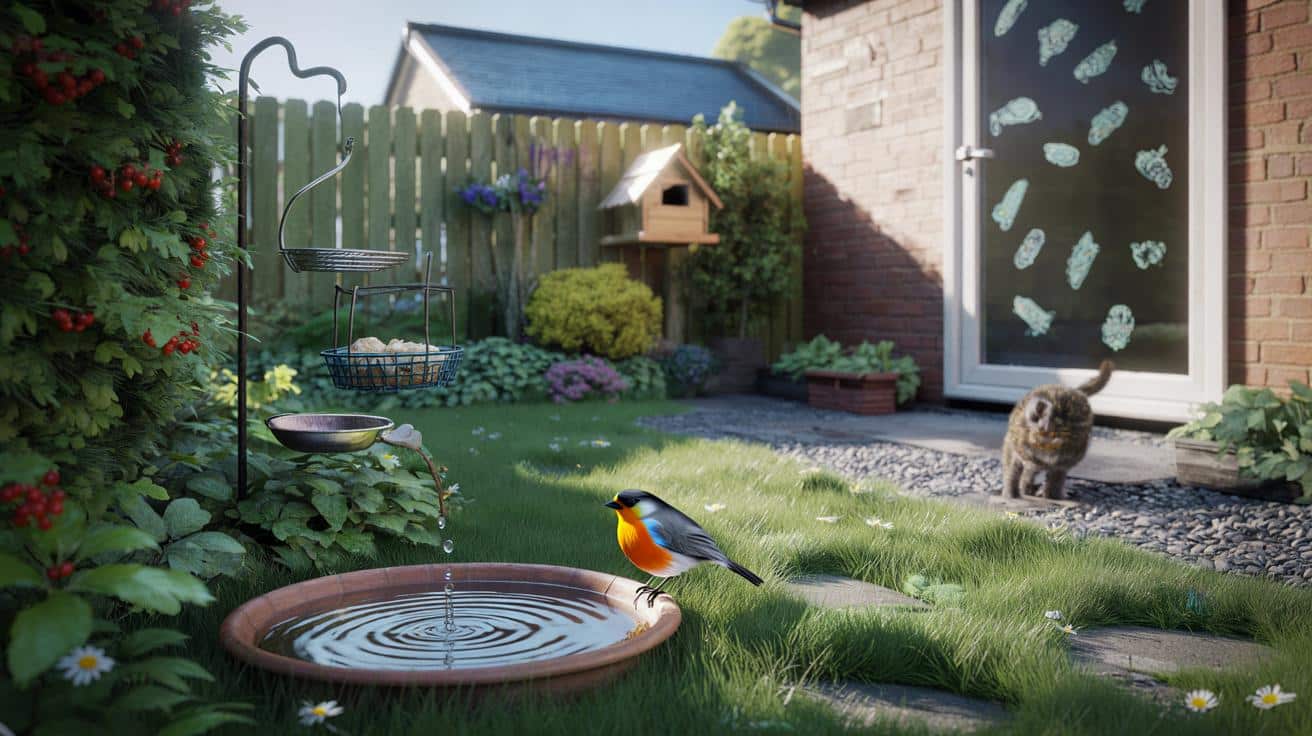
Start with water and hygiene. Put out a shallow dish year-round, refreshed daily, and keep it low and sloped so small birds can bathe and drink. Feed a mix—sunflower hearts, seeds, and suet in cold spells—then clean feeders weekly with a 10% disinfectant solution, rinse, and air-dry. Position them near shrubs for quick cover but with clear sightlines so birds spot danger. Rotate feeding spots every few weeks to keep the ground clean. Small acts, repeated, change the soundtrack.
Plant for insects, then step back a little. A native hedge beats a fence for nesting and food; ivy flowers late and fruits in winter; hawthorn, holly, and dogwood bring berries and shelter. Let a strip of lawn grow longer for clover and daisies, and leave leaf litter under bushes for wrens and robins to rummage. Don’t use pesticides; aphids are dinner. Keep outdoor lights low and warm-coloured to protect night-flying insects. Let’s be honest: nobody does that every day. Aim for most days, and it still works.
Now remove quiet killers. Fit a bell or a colourful collar on cats, keep them indoors at dawn and dusk in spring, and hang window stickers in a loose grid to break up reflections. **Clean feeders, save lives.** If you feed peanuts, use a mesh feeder; if you offer fat, ditch the plastic nets. Bread is filler, not fuel, and milk isn’t for birds.
“Think of your garden as a tiny service station on a long migration route,” an urban ecologist told me. “Fuel, water, safety, and a decent night’s sleep. Provide those, and birds will stop.”
- Quick wins: a water dish today, a bell on the cat, and two clumps of nectar-rich flowers.
- Weekend project: a nest box 2–3 metres up, facing NE, away from direct sun and driving rain.
- Month-long habit: clean feeders weekly, rotate sites, and mow less often.
- Autumn shift: plant a hedge, pile leaves in a corner, avoid pruning until after nesting.
A future worth singing for
This isn’t about turning your place into a perfect nature reserve. It’s about letting life through the fence. **Hope is practical.** Birds don’t ask for much: some cover, some food, some water, fewer surprises. Give them that, and your mornings change. You notice fledglings in June with streaked cheeks. You spot a goldfinch at the thistle heads and feel oddly proud of a patch you didn’t strim. You hear a song thrush tap-snail on stone, and the day gets brighter. The work is local and ordinary, the kind you can fit between school runs and emails, and it spreads along a street when neighbours copy what they see. The silence didn’t arrive all at once. Neither will the chorus. But it can return.
| Key point | Detail | Interest for the reader |
|---|---|---|
| Feed and clean smart | Varied seed and suet, plus weekly 10% disinfectant clean and site rotation | More species visiting, fewer disease outbreaks at your feeders |
| Plant for insects | Native hedge, ivy, and a no-mow strip to restore natural food chains | Healthier chicks, more song, and a garden that looks alive, not manicured |
| Make space and safety | Water dish, cat bells, window stickers, nest boxes facing NE at 2–3m | Fewer collisions, fewer ambushes, more successful nesting on your patch |
FAQ :
- Why are British garden birds declining?Less insect food, tidier gardens, disease at dirty feeders, weather shocks, and predation all stack up. Urban sprawl and sealed boundaries remove nesting nooks and feeding edges.
- Should I feed birds all year?Yes. Offer different foods with the seasons and keep water available every day. Hygiene matters more than volume, so clean and rotate rather than constantly overfill.
- Are cats really a big issue?They’re one factor among many. Bells or brightly coloured collars reduce hunting success, and keeping cats in at dawn and dusk in spring helps a lot.
- I only have a balcony. Can I still help?Absolutely. Hang a seed feeder with a tray, add a small water bowl, and grow nectar and seed plants in pots—lavender, marigolds, and native herbs are great starters.
- Do I need to stop mowing?You don’t need a meadow. Switch to a two- or three-week cycle and leave one wild strip. That small change boosts clover and insects without losing your lawn.







Brilliant, actionable advice. I swapped one fence panel for a mixed native hedge last autumn and the morning chorus definately picked up this spring—robins, a dunnock, even a goldfinch on the teasels. Cleaning feeders weekly was the game-changer; fewer sickly-looking greenfinches. Small, repeatable changes are the key. Thanks for the nudge.